Modern neuroscience shows us that gratitude is anything but small—it is powerful, measurable, and deeply transformative. When practiced consistently, thankfulness can reshape the brain, quiet stress, amplify joy, and create a deeper sense of meaning in daily life.
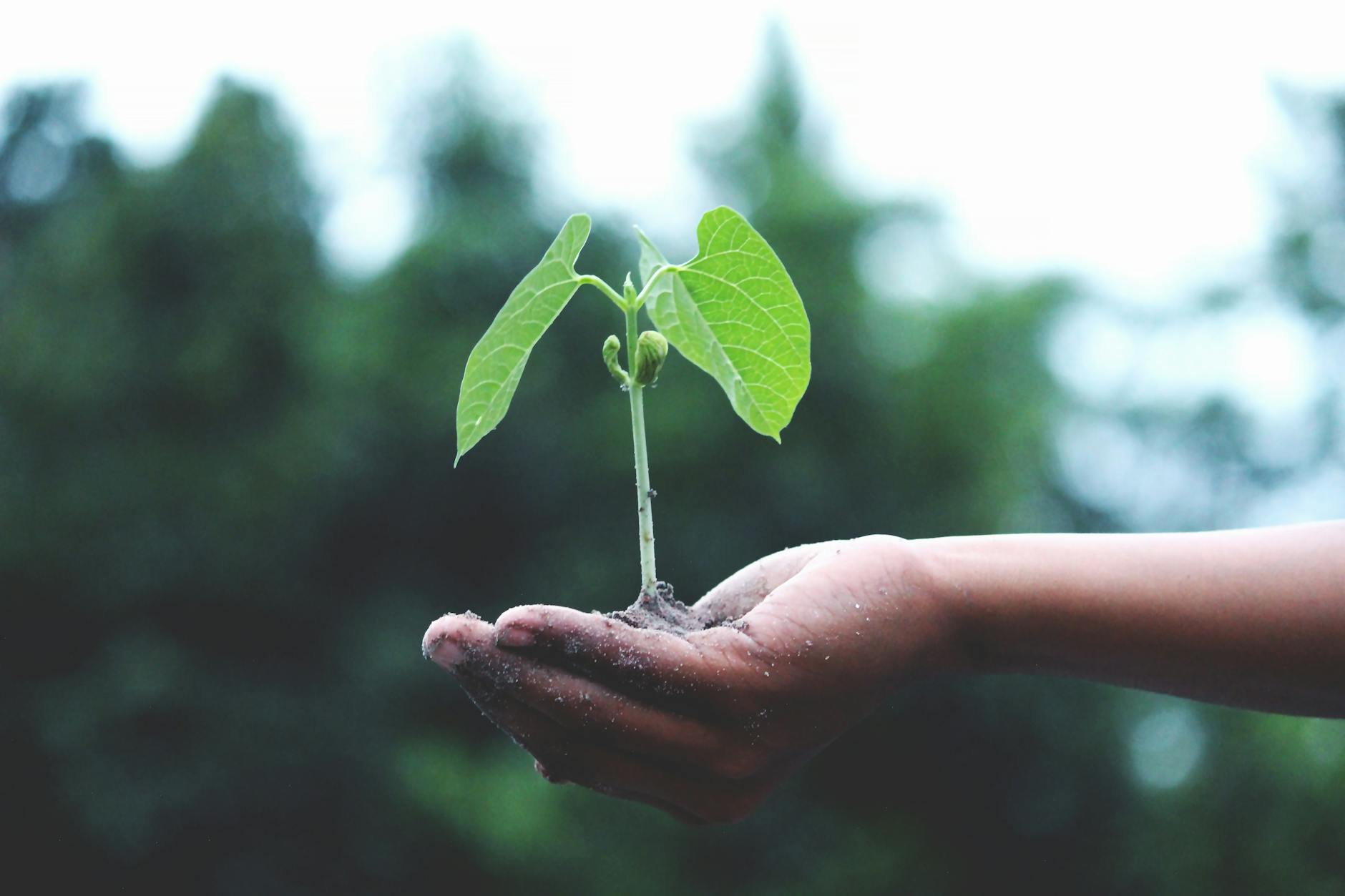
How Gratitude Changes the Brain
The human brain is remarkably adaptable. Through the process of neuroplasticity, our repeated thoughts and experiences strengthen certain neural pathways while weakening others. Gratitude acts like an internal sculptor, carving new circuits that reinforce emotional resilience and well-being.
Here are a few of the key ways gratitude affects the brain:
1. Strengthening the reward pathways
When you pause to acknowledge something positive—whether it’s a warm cup of coffee, the support of a friend, or a sunset—your brain releases dopamine, the neurotransmitter associated with pleasure and motivation. Over time, practicing thankfulness trains the brain to more readily notice and appreciate positive experiences.
2. Reducing stress and anxiety
Gratitude activates the parasympathetic nervous system, which calms the body and reduces cortisol levels. People who regularly reflect on what they are thankful for tend to report fewer feelings of stress, worry, and overwhelm.
3. Enhancing emotional regulation
Studies show that gratitude engages the prefrontal cortex, the part of the brain associated with decision-making and moderating emotional responses. This means that people who cultivate gratitude may find themselves better equipped to navigate challenges, setbacks, and uncertainty.
4. Reframing your inner narrative
Over time, thankfulness shifts the mind away from scarcity—what’s missing, what’s wrong, what’s next—to a mindset rooted in abundance. This reframing is especially powerful for people who tend to be self-critical or future-oriented; it brings the mind back into the present and redirects focus toward what is already good.
Cultivating Gratitude Through Creative Reflection
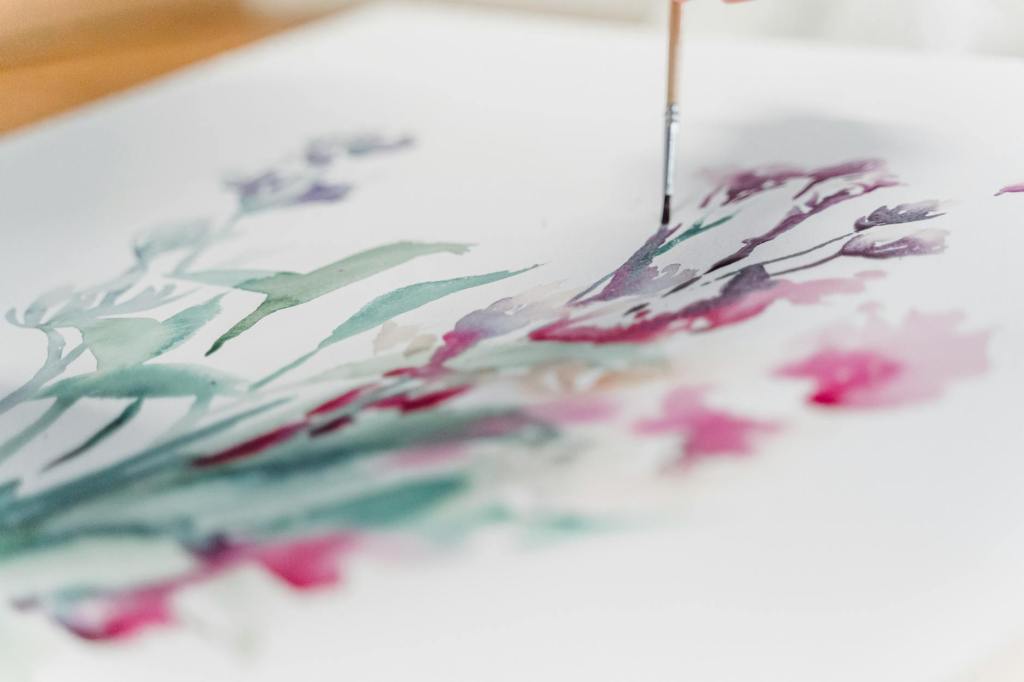
While gratitude journaling is a widely recommended practice, incorporating art—especially watercolor—can open new doors of self-awareness. Watercolor is fluid, unpredictable, and gentle, making it a perfect medium for slowing down and letting thoughts move with softness rather than pressure.
Below are three watercolor art prompts designed to deepen your practice of thankfulness and invite clarity, peace, and emotional openness.
Watercolor Art Prompts for Gratitude and Reflection
1. Moments of Light
Paint an abstract wash of soft, glowing colors—yellows, pinks, golds, or anything that feels warm.
As you paint, reflect on three small moments of brightness from the past week. Let each layer represent one of those moments. When the piece is finished, write a few words or a short phrase on the back of the page describing each moment.
2. Roots of Gratitude
Begin by painting tree roots or branching shapes in gentle, flowing strokes.
As the paint spreads, think about the people, experiences, or memories that have grounded you.
Once dry, add subtle layers or details that represent the support systems in your life—colors or symbols that feel meaningful. This exercise helps highlight the often-unseen sources of strength beneath the surface.
3. The Thankful Horizon
Paint a horizon line—literal or abstract—using colors that evoke calm and openness.
As you work, reflect on what you are grateful for in this season of your life, not the past or the future.
Allow the colors to blend naturally, symbolizing the way gratitude softens the borders between what is and what will be.
A Final Thought
Gratitude is not about ignoring difficulty or forcing positivity. It is about recognizing that even in complexity, beauty exists. It is about honoring the small, the steady, the quiet pieces of life that hold us up. And with consistent practice, thankfulness can rewire the brain to see the world—and ourselves—with more clarity, compassion, and wonder.


 WAVES OF EXPRESSION
What did you think of this idea??