I grew up with an understanding about emotions, especially anger.
Anger meant disrespect.
Anger meant disobedience.
Anger meant mistrust.
If I expressed anger toward my parents, it was seen as a failure to respect their authority. If I felt anger toward God, it was framed as a lack of trust in His will for my life.
Maybe that story feels familiar.
Or maybe yours looks a little different.
But most of us grow up forming a narrative about our emotions. We learn, often without realizing it, which feelings are acceptable and which ones are not. Some emotions are met with comfort and understanding. Others are met with discomfort, confusion, or even correction.
And when the people around us don’t know how to help us hold those harder emotions, we adapt.
We suppress.
We minimize.
We avoid feeling them altogether.
Over time, it feels safer that way.

When Anger Surfaces
This past week, I felt a deep sense of anger about a situation in my life.
Normally, I would have pushed it down. Distracted myself. Moved on as quickly as possible.
But this time, I chose something different.
I chose lament.
I opened my journal and began to write. As I processed, two words kept rising to the surface: justice and mercy. I found myself questioning where both of those were in the situation I was facing.
Later, I went on a two-hour walk, no headphones, no distractions, and spent that time in prayer. Not polished or composed prayer, but honest lament.
I let myself feel everything.
The Real Problem
Here’s what I’m beginning to understand:
The problem is not our anger.
The problem is what we do with it.
Anger itself is not a failure. It’s not something outside of what it means to be human. We were created with emotions, every one of them. There is nothing we feel that God has not already seen or understood.
The real issue is when we hold onto our anger without ever bringing it to God.
When we suppress it, it doesn’t disappear, it just settles deeper within us. When we isolate ourselves in it, it can begin to shape how we see everything around us.
But lament offers another way.
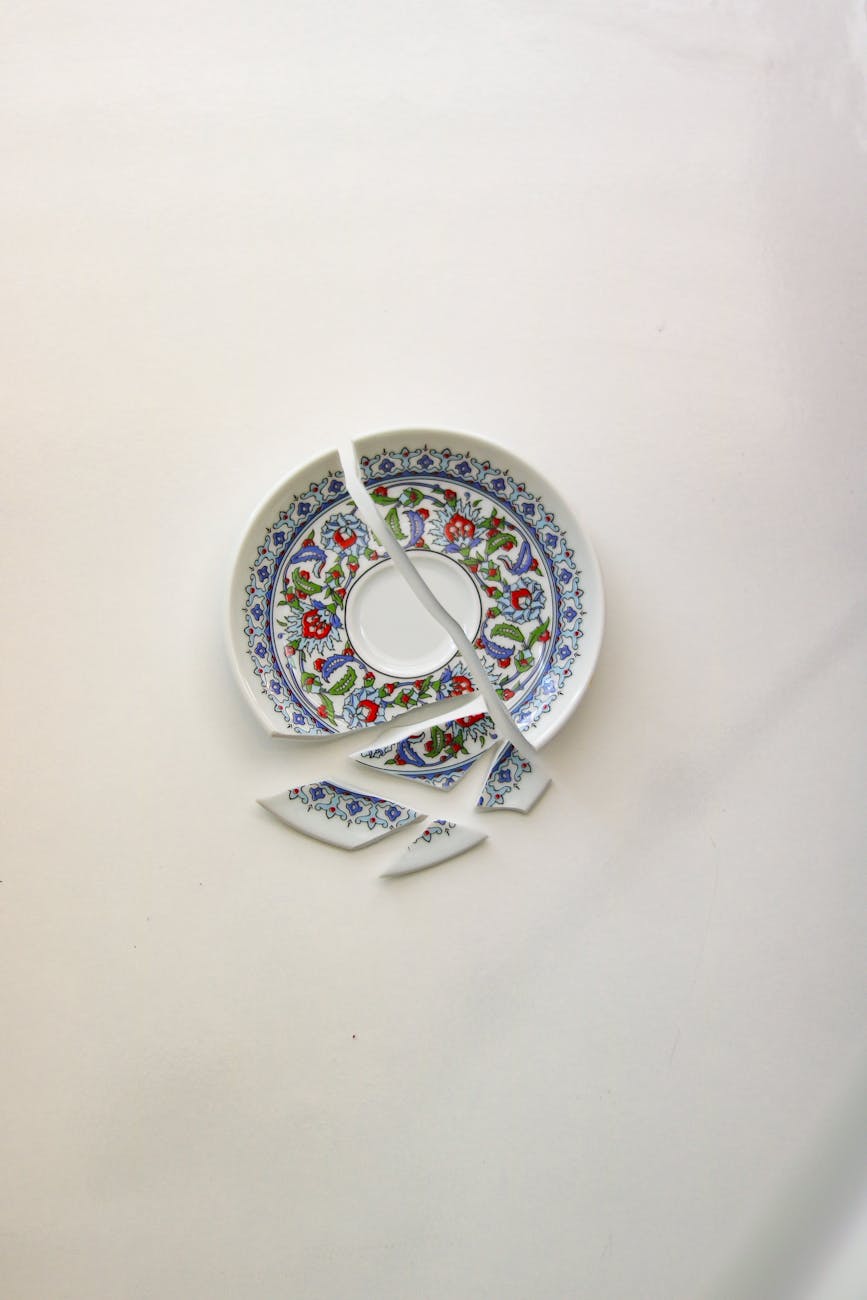
Trusting God With Our Emotions
Lament is the practice of bringing our full, unfiltered emotions to God.
It requires trust, the kind of trust that believes God is big enough to handle what we feel.
Even our anger.
Even our questions.
Even our frustration.
Especially those things.
On that walk, I gave God all of my anger. I didn’t try to clean it up or make it sound more “acceptable.” I just let it be what it was.
And something began to shift.
A Change in Perspective
Toward the end of the walk, I noticed my perspective softening.
Not because the situation suddenly changed, but because I had allowed myself to fully process what I was feeling.
Those same words came back: justice and mercy.
As I reflected, I began to see them differently.
God’s justice is not always immediate or visible in the way we expect. There are times when justice doesn’t seem to come in this life at all. But that doesn’t mean it is absent. It means we trust that God sees fully, and that nothing goes unaddressed in the end.
At the same time, God’s mercy is constantly at work.
People fail. Systems fall short. Mistakes are made. And yet, mercy creates space for redemption, for growth, for change, and for good to continue even in imperfect situations.
Holding both justice and mercy together is not easy.
But lament helped me begin to see both.

Making Space for Lament
Lament is not weakness.
It is not a lack of faith.
It is not something to avoid.
It is an honest expression of faith.
It says: I trust God enough to bring Him what is really going on inside me.
When we practice lament, we stop pretending. We stop suppressing. We stop carrying things alone.
Instead, we bring our whole selves, anger included, into the presence of a God who is able to hold it.
And in that space, something begins to change. Not always our circumstances. But often, our hearts.
And sometimes, that’s where healing begins.







 WAVES OF EXPRESSION
What did you think of this idea??