There was a time when creativity wasn’t just something I did—it was who I was. I was the “art kid.” The creative one. The crafty one.
My mom bragged about my work to friends. Teachers celebrated my projects. And without even realizing it, my identity became wrapped up in art.
But when my mom passed away during my final semester of college, everything changed.
Grief hit, and so did depression. The desire to create—the very thing that defined me—disappeared. Suddenly, the part of me that had always felt the most alive went dark.
And because my identity was so deeply tied to art, losing that spark felt like losing myself.
Still, I pushed forward with my art business. I posted online, launched products, kept up promotions. From the outside, it looked like I was still thriving. But behind the scenes, it was all acting. The fun was gone. The passion was gone.
For years I carried a painful story:
I’m not creative anymore. My voice doesn’t matter. Anyone can do what I do.
That story weighed me down far more than the burnout itself.
Our brains are wired to linger on negative thoughts. When something painful happens, the brain wants to make sense of it, so it spins stories.
The problem? Those stories often become our truth, even when they’re not.
I told myself my creativity was gone for good. That I’d lost something essential. And the more I repeated that story, the more it shaped my reality.
It wasn’t until I started questioning it—rewriting it—that I began to heal.
Here’s what I realized: art doesn’t have to be heavy. It doesn’t have to be about performance, identity, or even productivity.
Sometimes, art can just be fun.
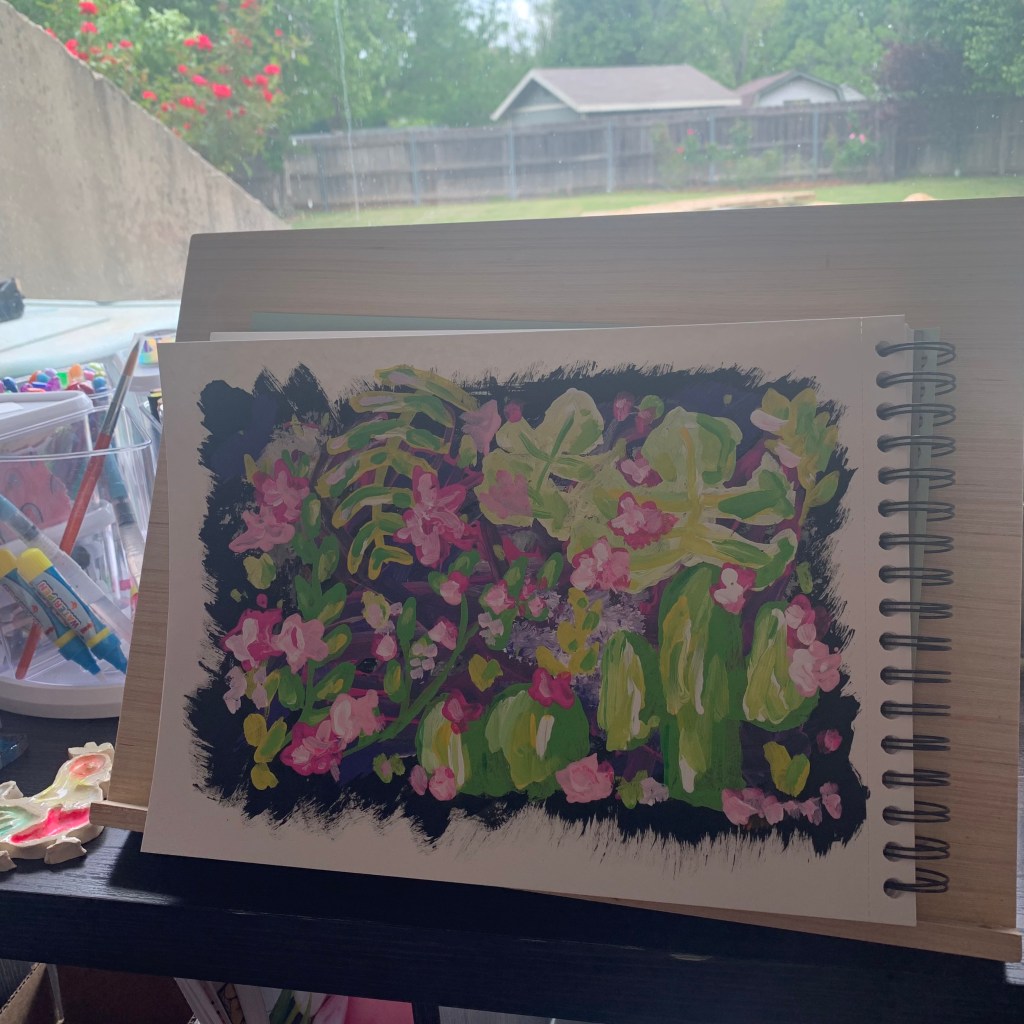
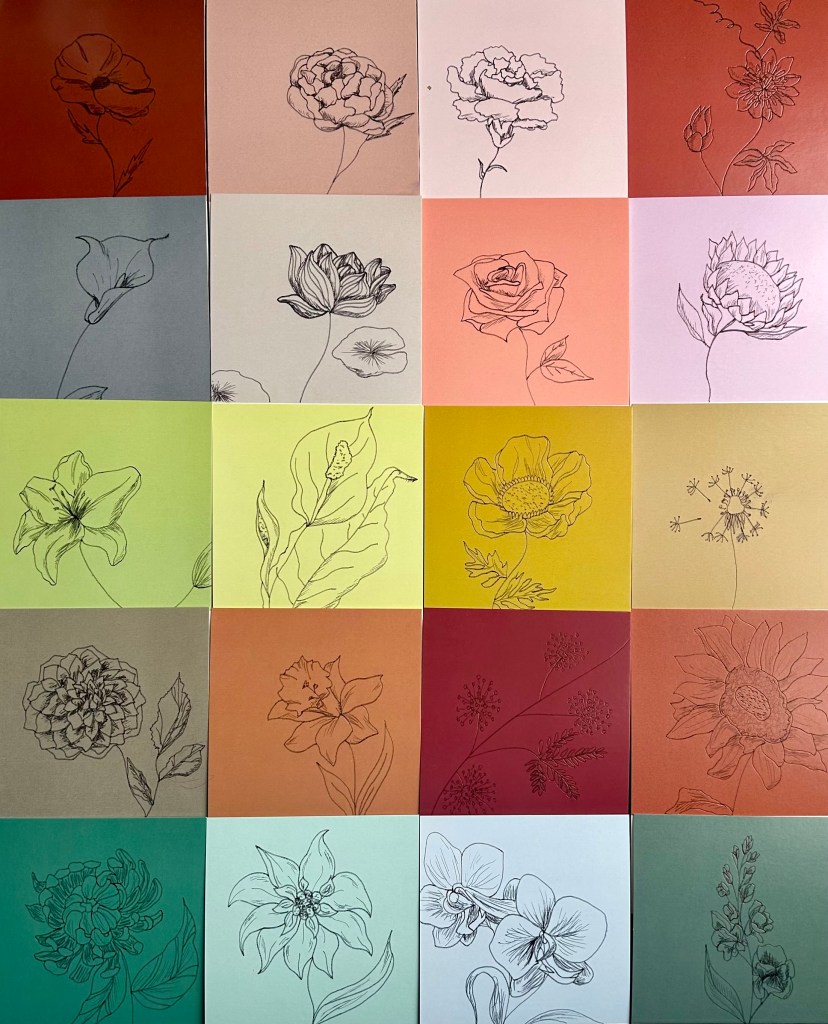
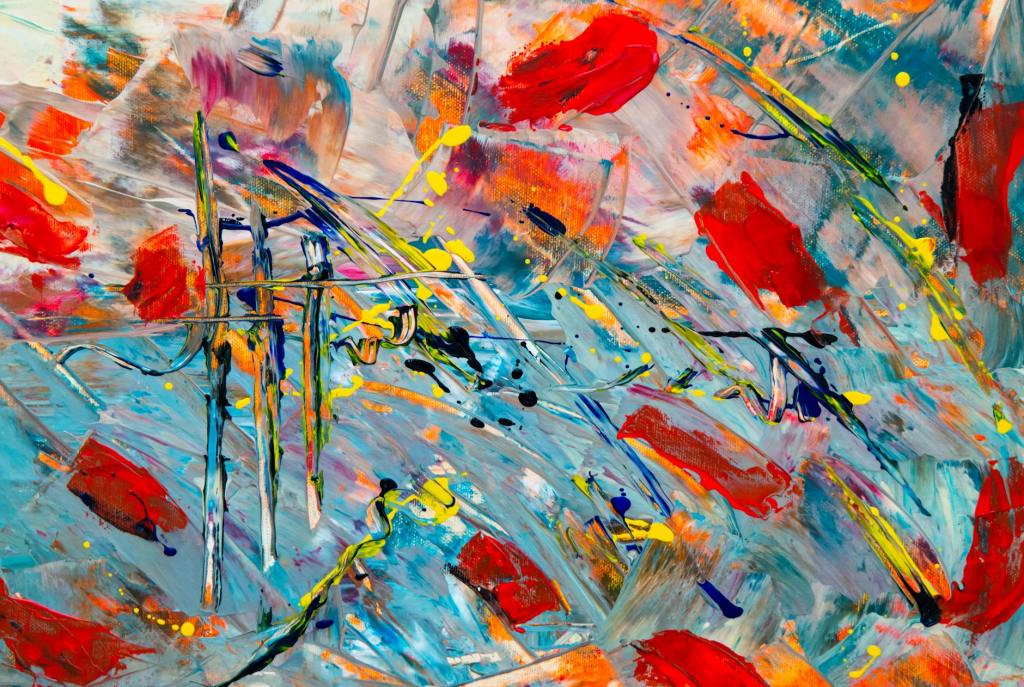
That was the breakthrough. Instead of trying to force myself to create “like before,” I gave myself permission to play. To make messy, abstract art. To doodle with no purpose. To experiment without worrying if anyone would ever see it.
And slowly, that spark began to flicker again.
In therapy, I learned about the circle of growth: before you can branch out, you need safety. You need grounding. More about the Circle of Growth here
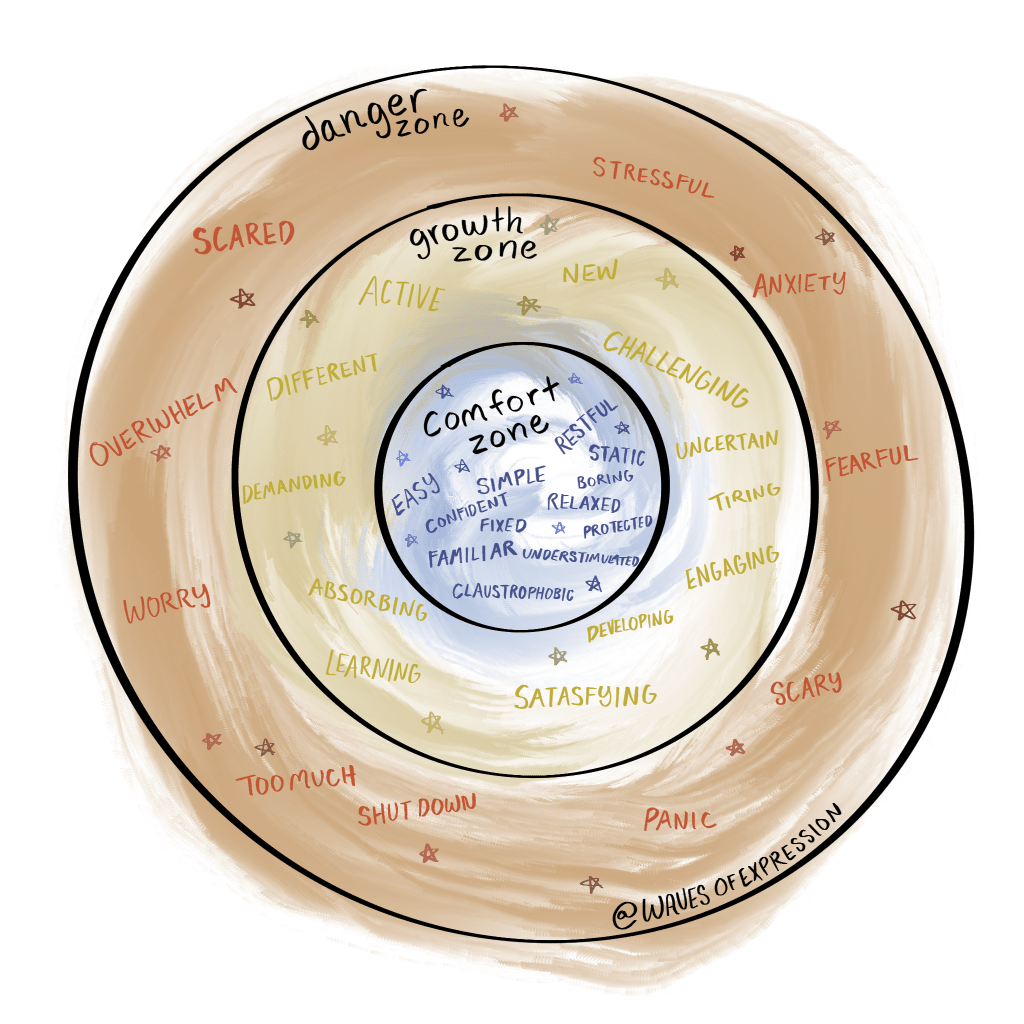
For me, that meant finding ways to reconnect with myself and the present moment.
A few practices that helped:
- Grounding outside: standing barefoot in the grass, letting the earth steady me.
- Breathing exercises: giving my body a chance to relax so my creativity could flow.
- Abstract art play: grabbing paint and letting it spill, smear, and surprise me.
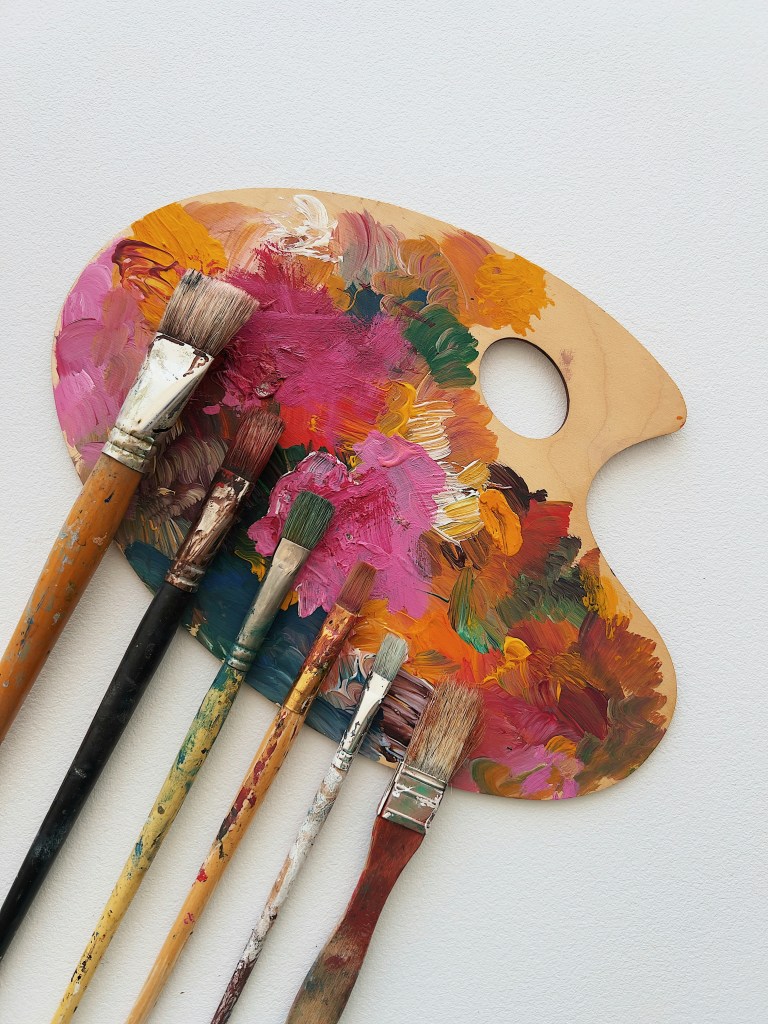
These weren’t about producing something “good.” They were about rediscovering what felt good.
If you’re in a season of burnout or disconnection from your passion, let this be your reminder:
You don’t have to earn the right to create. You don’t have to prove your creativity. Your art does not have to look like it did before. You don’t even have to be “good.”
You have permission to have fun.
When you drop the pressure and return to play, you’ll find that creativity hasn’t left you—it’s just been waiting for you to invite it back in.



 WAVES OF EXPRESSION
Leave a reply to dalton perry Cancel reply